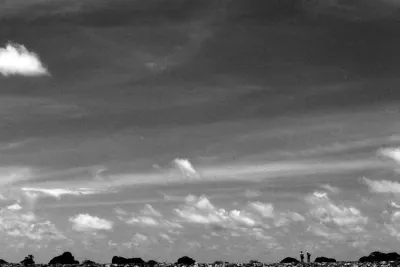
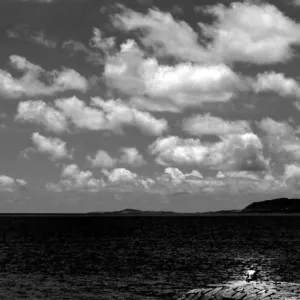
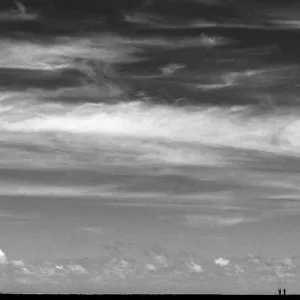
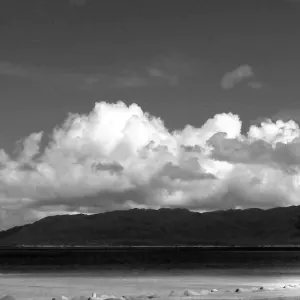
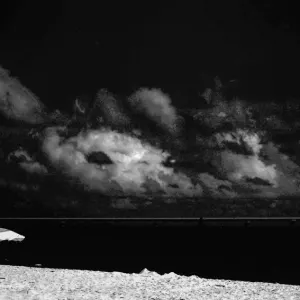
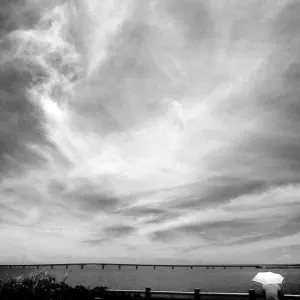
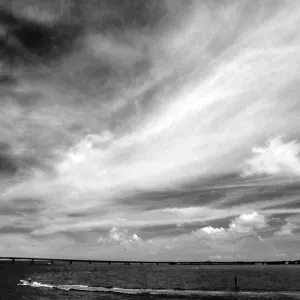
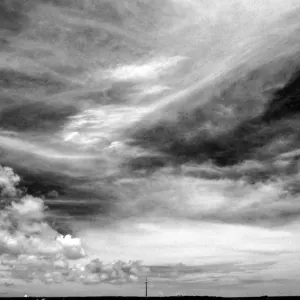
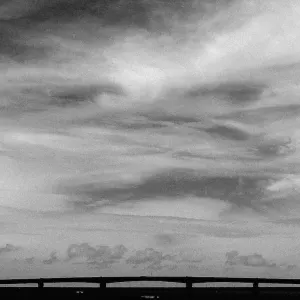
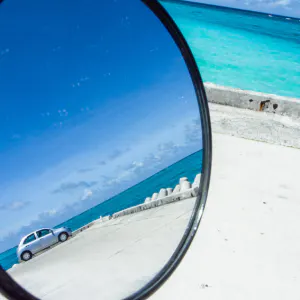
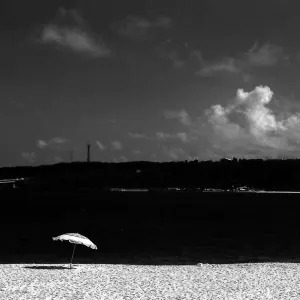
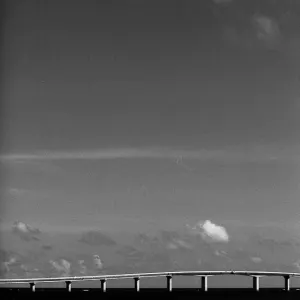
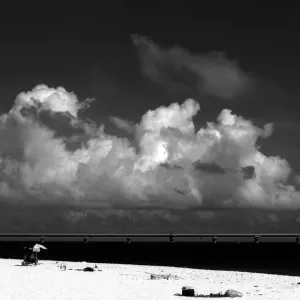
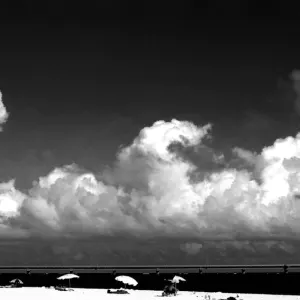
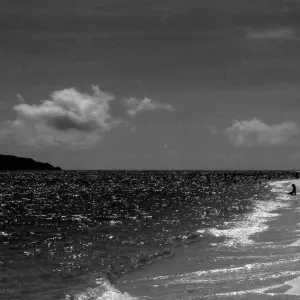
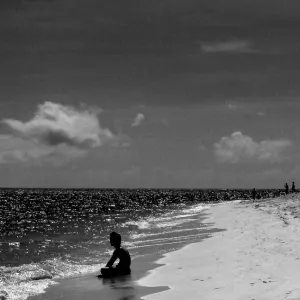
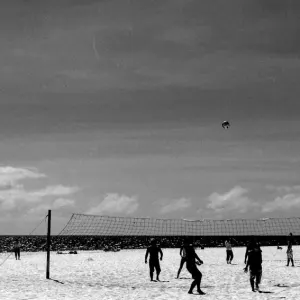
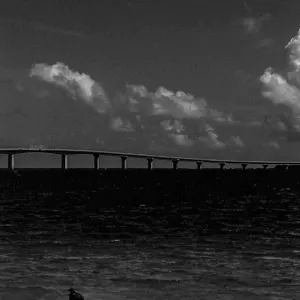
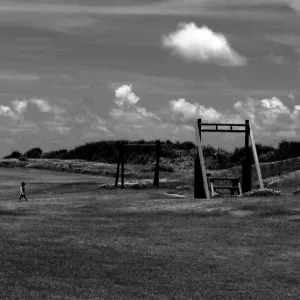
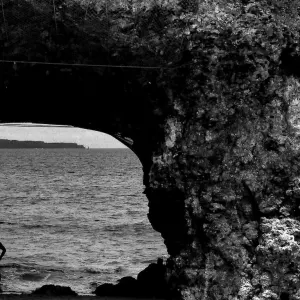
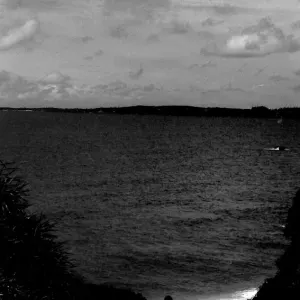
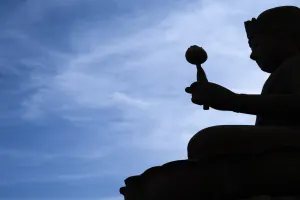
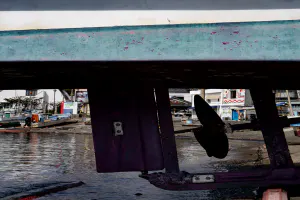
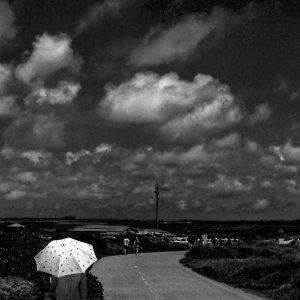
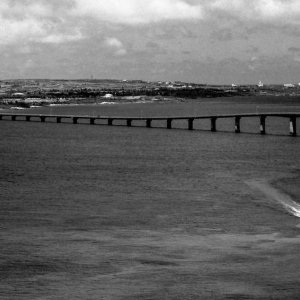
This photo of my photoalbum was taken in Okinawa.
Gitzo S.A. is a manufacturer of Photographic accessories, including bags, but specialising in tripods and supports. Founded by Arsène Gitzhoven in 1917 initially producing cameras, shutters, and cable releases, but between 1942 and 1944 with World War II in full swing, the company closed for the duration of the occupation. During the 1950's, tripods were introduced into their product range, and shortly after, Arsène retired, and his daughter, Yvonne Plieger took over the company. She and her husband became more and more dedicated to creating a range of high quality photographic tripods. In 1992, Gitzo became part of the Vitec group, who also own Manfrotto, described in corporate literature as "a multinational holding company specialised in supporting professional photographers, broadcasters and filmmakers." In 2005, Gitzo completed their transfer of production from France to Italy, a process which began in 2001.
The Tessar is a famous photographic lens design conceived by physicist Paul Rudolph in 1902 while he worked at the Zeiss optical company. Since Zeiss was the patent holder of the design, this type of lens is commonly known as a Zeiss Tessar. Despite common belief, the Tessar did not evolve from the 1893 Cooke triplet design by replacing the rear element with a cemented achromatic doublet. In fact, in 1890, Paul Rudolph designed the Anastigmat with two cemented doublets. Later, in 1899, he separated the doublets in the Anastigmat to produce the four-element, four-group Unar lens. In 1902 he realized that reversing the two rear elements of the Unar and returning to a cemented doublet would improve the performance of the Unar lens. He named the result "Tessar", from the Greek word τέσσερα to indicate a four-element design. A Tessar comprises four elements in three groups, one positive crown glass element on the front, one negative flint glass element at the center and a negative plano-concave flint glass element cemented with a positive convex crown glass element at the rear. Early Tessar designs allowed a maximum aperture of f/6.3. Later development allowed an aperture of f/4.5 by 1917, while further improvements with lanthanum glass allowed an aperture of f/3.5. Later evolution of the Tessar gave a maximum aperture of f/2.8, but the picture quality attained at full aperture from those lenses is significantly inferior to that of a f/3.5 Tessar. The Tessar design patent was held by Zeiss for two decades, though the design was licensed to Bausch & Lomb in the United States and to Krauss in France.