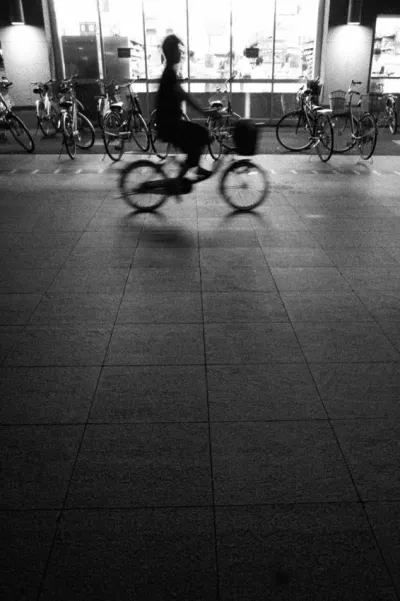
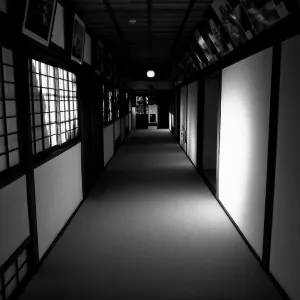
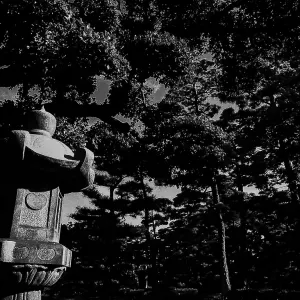
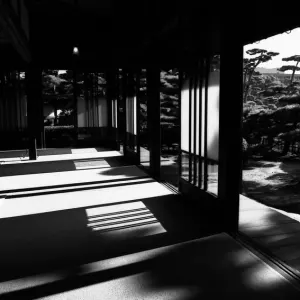
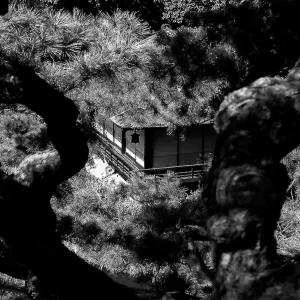
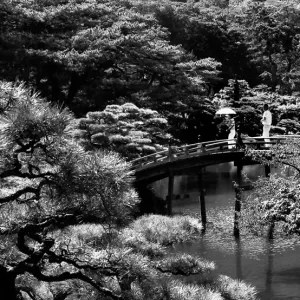
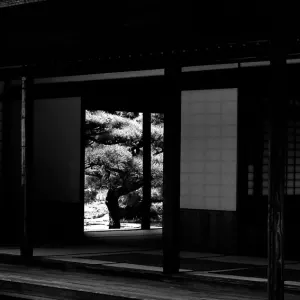
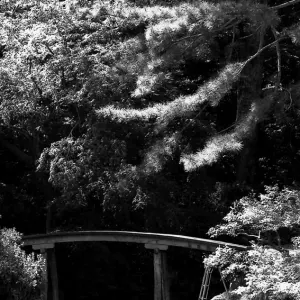
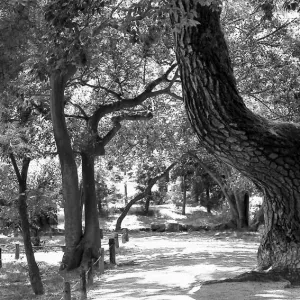
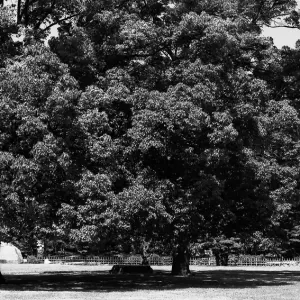
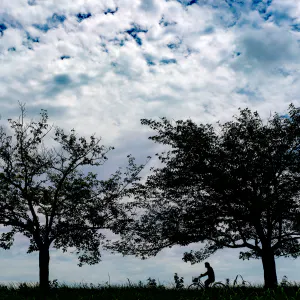
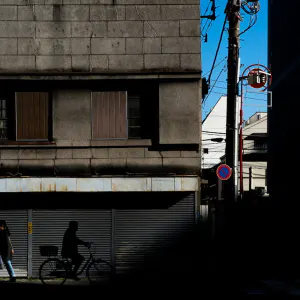
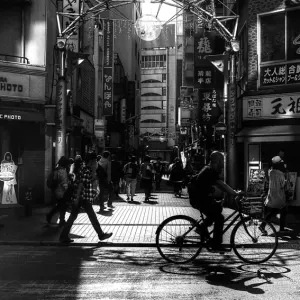
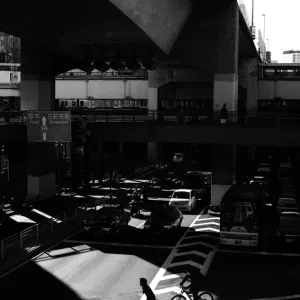
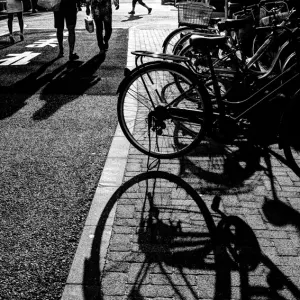
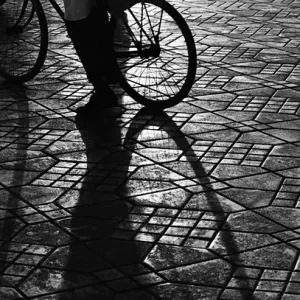
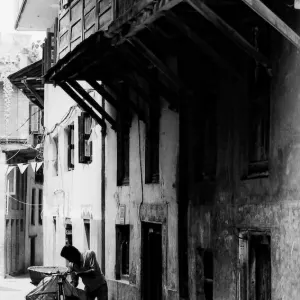
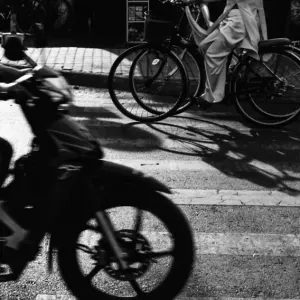
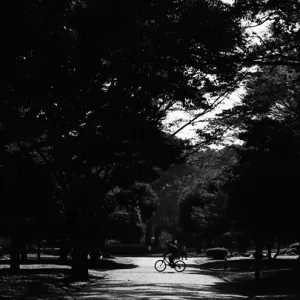
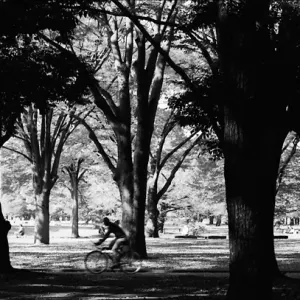
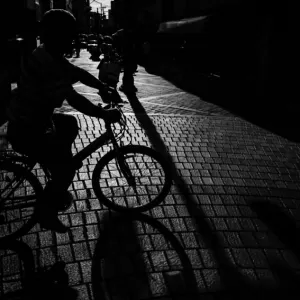
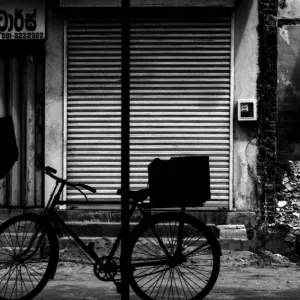
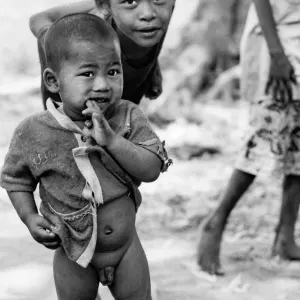
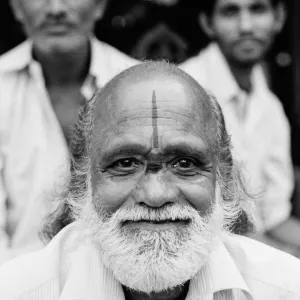
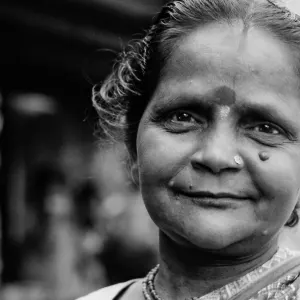
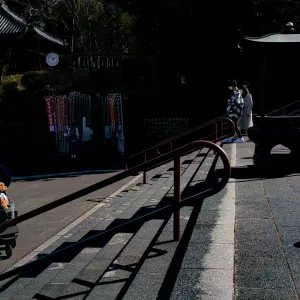
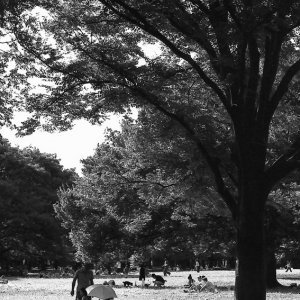
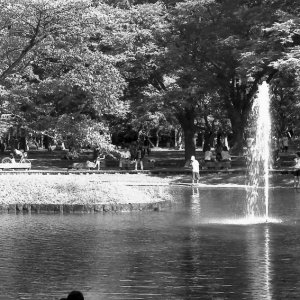
This photo of my photoalbum was taken in Kagawa.
Aperture of the lens – adjustment of the iris, measured as f-number, which controls the amount of light entering the lens. Aperture also has an effect on focus and depth of field, namely, the smaller the opening [aperture], the less light but the greater the depth of field--that is, the greater the range within which objects appear to be sharply focused.Shutter speed – adjustment of the speed (often expressed either as fractions of seconds or as an angle, with mechanical shutters) of the shutter to control the amount of time during which the imaging medium is exposed to light for each exposure. Shutter speed may be used to control the amount of light striking the image plane; 'faster' shutter speeds (that is, those of shorter duration) decrease both the amount of light and the amount of image blurring from subject motion or camera motion.White balance – on digital cameras, electronic compensation for the color temperature associated with a given set of lighting conditions, ensuring that white light is registered as such on the imaging chip and therefore that the colors in the frame will appear natural. On mechanical, film-based cameras, this function is served by the operator's choice of film stock. In addition to using white balance to register natural coloration of the image, photographers may employ white balance to aesthetic end, for example white balancing to a blue object in order to obtain a warm color temperature.
Black-and-white is a broad adjectival term used to describe a number of monochrome forms of visual arts. Most forms of visual technology start out in black and white, then slowly evolve into color as technology progresses. "Black-and-white" as a description is also something of a misnomer, for in addition to black and white most of these media included varying shades of grey. Further, many prints, especially those produced earlier in the development of photography, were in sepia (mainly to provide archival stability), which gave a richer, more subtle shading than reproductions in plain black-and-white, although less so than color.