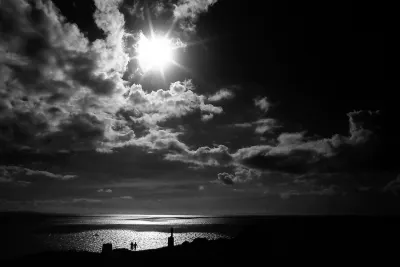
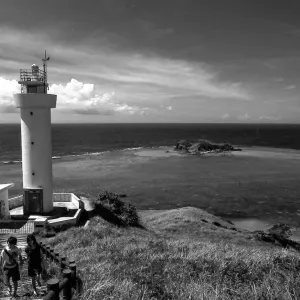
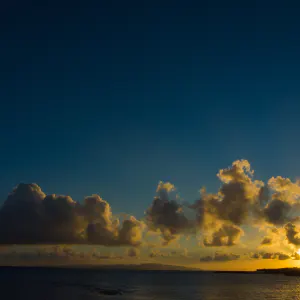
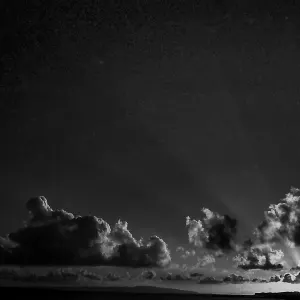
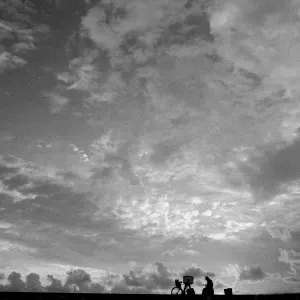
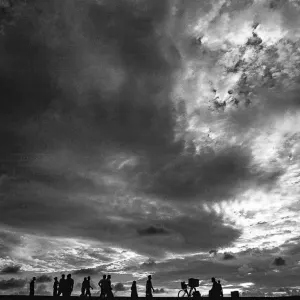
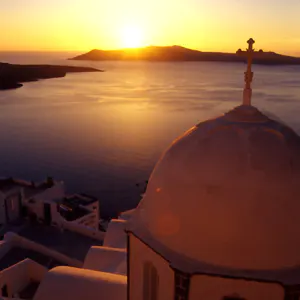
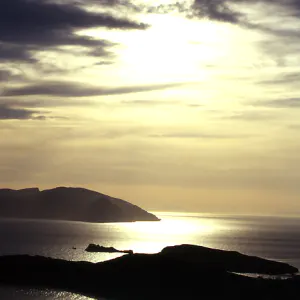
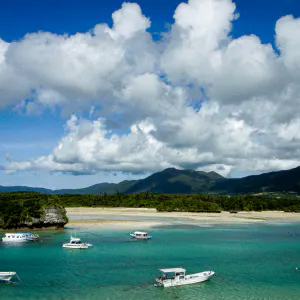
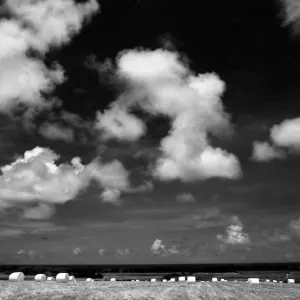
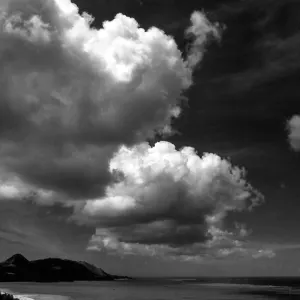
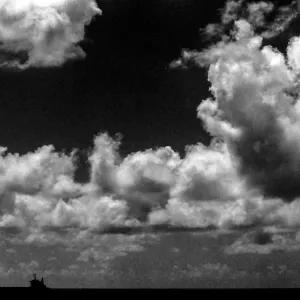
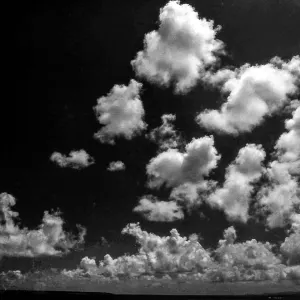
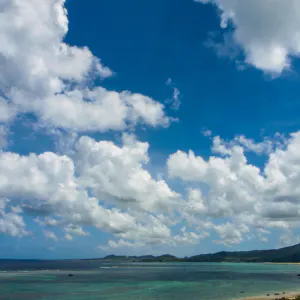
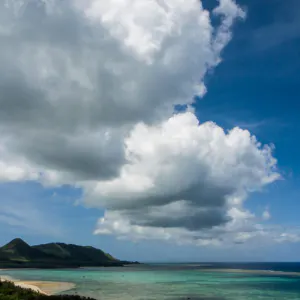
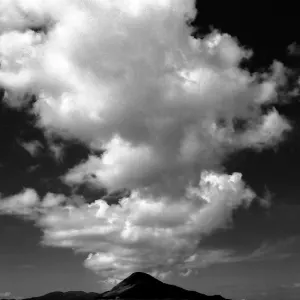
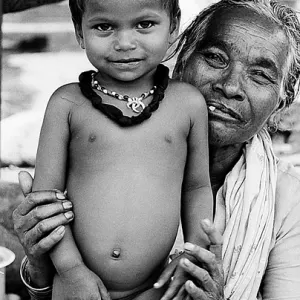
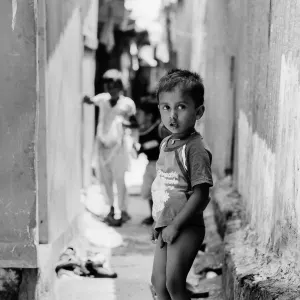
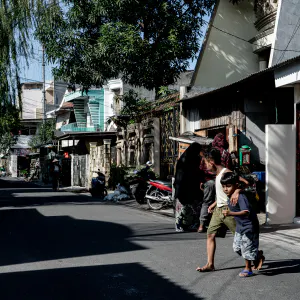
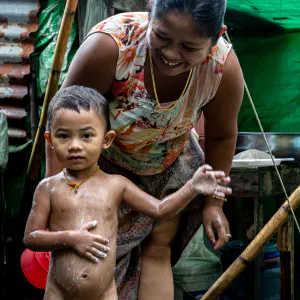
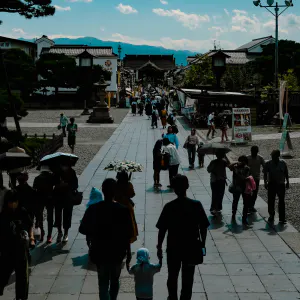
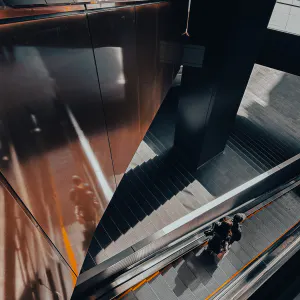
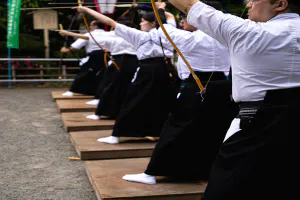
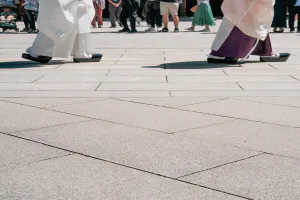
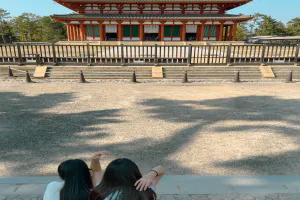
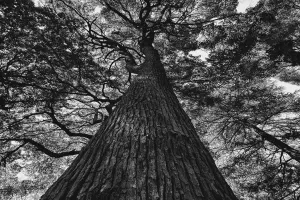
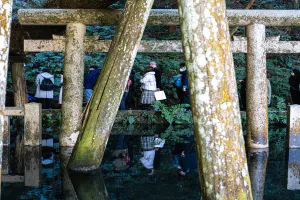
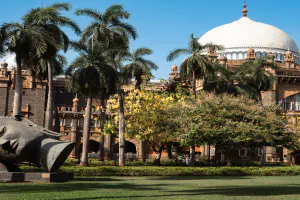
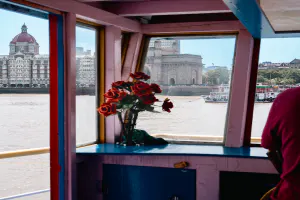
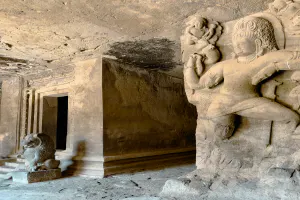
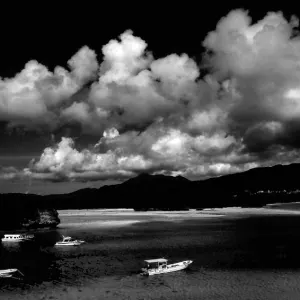
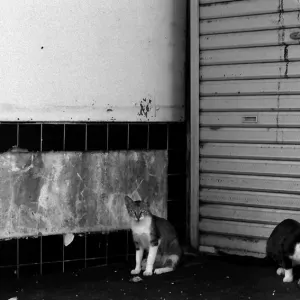
This photo of my photoalbum was taken in Okinawa.
Photojournalism is a particular form of journalism (the collecting, editing, and presenting of news material for publication or broadcast) that creates images in order to tell a news story. It is now usually understood to refer only to still images, and in some cases to video used in broadcast journalism. Photojournalism is distinguished from other close branches of photography (such as documentary photography, street photography or celebrity photography) by the qualities of:
* Timeliness — the images have meaning in the context of a published chronological record of events.
* Objectivity — the situation implied by the images is a fair and accurate representation of the events they depict.
* Narrative — the images combine with other news elements, to inform and give insight to the viewer or reader. Photojournalists must make decisions instantly and carry photographic equipment, often while exposed to the same risks (war, rioting, etc.) that are faced by text-only journalists. The fact that they rarely have the option to stand back or wait until the dangerous parts of an event are over means they may take even more risks. Photojournalism as a descriptive term often implies the use of a certain bluntness of style or approach to image-making. The photojournalist approach to candid photography is becoming popular as a unique style of commercial photography. For example, many weddings today are shot in photojournalism style resulting in candid images that chronicle the events of the wedding day. A similar and related term is reportage
There is now a trend toward a careful staging and lighting of the picture, rather than hoping to "discover" it ready-made. Photographers such as Cindy Sherman and Gregory Crewdson, among others, are noted for the quality of their staged pictures. Medium-format and large-format cameras have been preferred by art photographers over 35mm but, with the rapid improvements in the high-end of digital photography, this is now changing. Since the 1990s there have been some internal art-world tensions between fine art photographers and what might be termed "artists with cameras". With the advent of digital photography and Photoshop, montage art photography has once again become popular; it is notably seen in the work of John Goto, who has inspired many imitators. Purely computer-generated digital art (fractals, etc) is usually clearly distinguished from fine-art photography. No concerted attempt has been made to popularize fine art photography, beyond the limited market for book reproductions. It is generally considered that one has to have an 'educated eye' to really appreciate fine art photography. Since art photography is simply not on the agenda of schools and educationalists, the chance of developing a popular mass market remains limited. Numerous online "web magazines" have appeared since 1995, offering a new form of outlet for viewing fine art photography, but even this remain a niche and sales figures remain poor. Attempts by online art retailers to sell photography alongside prints of paintings have had mixed results, with strong sales coming only from the traditional "big names" of photography such as Ansel Adams. According to Art Market Trends 2004 (PDF link) 7,000 photographs were sold in auction rooms in 2004, and photographs averaged a 7.6 percent annual price rise from 1994 and 2004. Around 80 percent were sold in the USA. Of course, auction sales only record a fraction of total private sales. As printing technologies have improved since around 1980, a photographer's art prints reproduced in a finely-printed limited-edition book have now become an area of strong interest to collectors. This is because books usually have high production values, a short print run, and their limited market means they are almost never reprinted. The collector's market in photography books by individual photographers is developing rapidly. The prestige of the label 'art photography' has led many to try to apply the label to a host of inferior products - such as calendars and cheap posters.