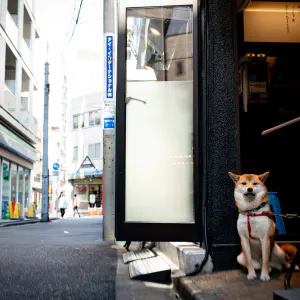
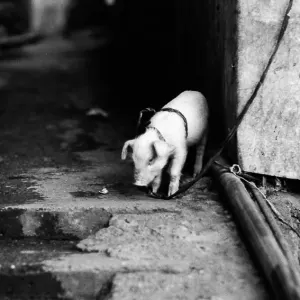
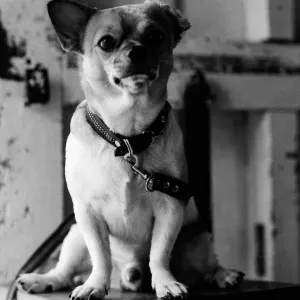
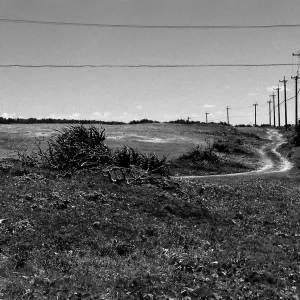
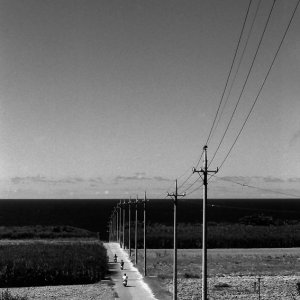
goat by the wayside

This photo of my photoalbum was taken in Okinawa.

Kodak entered into consumer inkjet photo printers in a joint venture with manufacturer Lexmark in 1999 with the Kodak Personal Picture Maker, a 1200x1200 dpi parallel-port printer with CompactFlash and SmartMedia memory slots that could be used without a computer. In February 2007, Kodak re-entered the market by announcing a plan to revolutionize the consumer inkjet industry beginning with a new product line of All-In-One (AiO) Inkjet printers. Kodak claims their printers bring up to a 50% cost savings to consumers[2] while still providing lab-quality prints due to Kodacolor Technology. The 2007 Kodak EasyShare AiO models: 5100 ($149.99), 5300 ($199.99), 5500 ($299.99) all use premium, pigment-based ink priced at $9.99/cartridge for text black and $14.99/cartridge for a five-ink photo cartridge. In an effort to lower the cost of premium pigmented ink, Kodak did not manufacture the print head onto the cartridge. The cartridge purely serves as an ink tank. The printers were initially available exclusively at BestBuy locations across the United States. According to a February 2007 Businessweek article, Kodak planned to spend upwards of US$ 300 million to launch its new Kodak Inkjet Printer series.

MPP's first major product was the Micro-Technical Camera, in 1948. This was far in advance of any other camera produced in Britain. Mark II followed in 1949; Mark III in 1951; Marks VI, VII and VIII in 1952, 1956, and 1963. (Marks IV and V were not sold.) These had the full versatility and quality of technical cameras; some are still (2005) in professional use. The Micro-Press Camera was a press camera available through the 1950s. MPP is the only postwar British manufacturer of twin-lens reflex cameras. The Microcord (1951) was based on the Rolleicord; it was soon (1952) followed by the Microcord Mk II, with an improved shutter (the German Prontor). The Ross lens is of high quality. In 1958, MPP brought out the lever-wound Microflex, inspired by the Rolleiflex. This had excellent optics (by Taylor, Taylor and Hobson) and the camera was well made, but the crank invited hard use for which it was not designed. Shortly after its introduction, Britain dropped the high duty rates that had made Rollei equipment prohibitively expensive, and the Microflex had to be heavily discounted. Other products included enlargers (even for large format), projectors, and a flashgun that was later the basis of Darth Vader's lightsaber in the Star Wars.

ブックマークに追加する
Bookmark and Share

copyright © tetsu