The goat was pastured under the sun
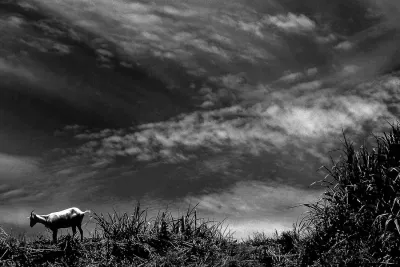
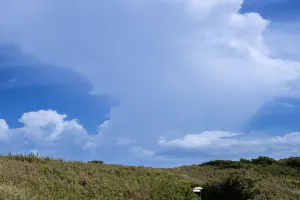
Kohama Island is not a very big island. However, it seemed that not only cattle but also goats were grazing on this small island. This time, when I was wandering around the island, I came across not a cow, but a goat. It was a free-range goat playing in the grass in the strong sunshine.
There was no one around, nor were there any herding dogs. The goat seemed to be grazing completely alone. I didn't know if it feels bored spending time alone with no friends, or if it feels he can just relax and not have to worry about anyone else. But looking at the goat, it seems to be the latter. This goat must be a stubborn and independent goat. It seemed to be enjoying its time alone.
| Sep 2007 ANIMAL OKINAWA | |
| BUSH CLOUD GOAT KOHAMA |
Similar photos
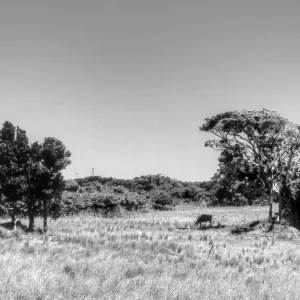
PHOTO DATA
No
1062
Shooting Date
Jul 2007
Posted On
September 4, 2007
Modified On
January 21, 2021
Place
Kohama Island, Okinawa
Genre
Animal Photography
Camera
CANON EOS 1V