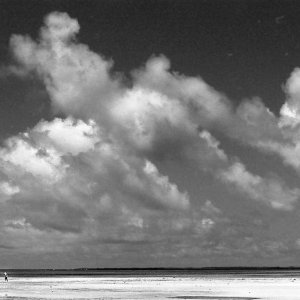
waterside

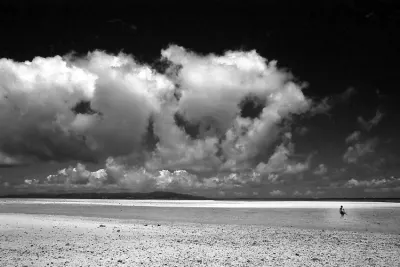
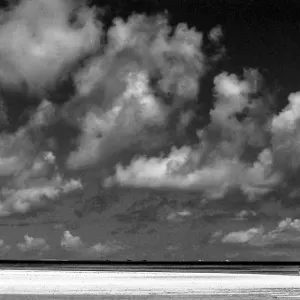
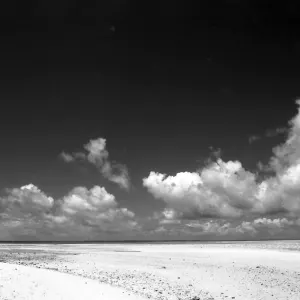
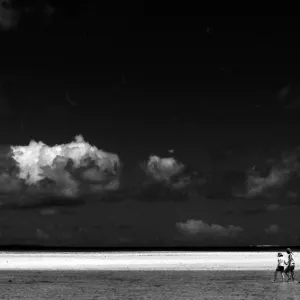
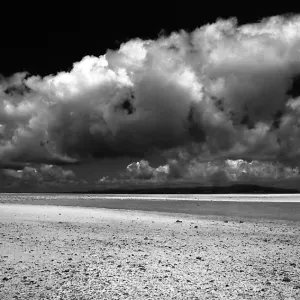
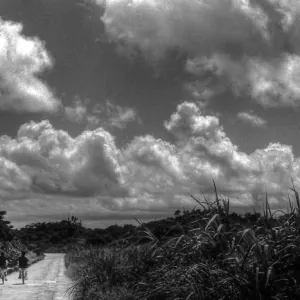
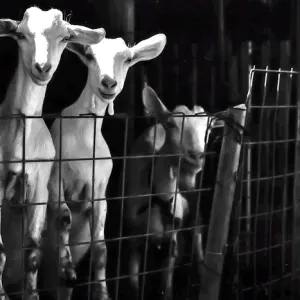
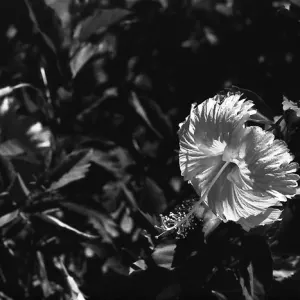
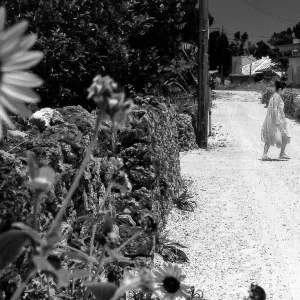
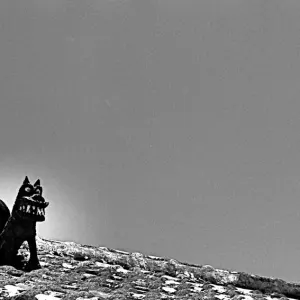
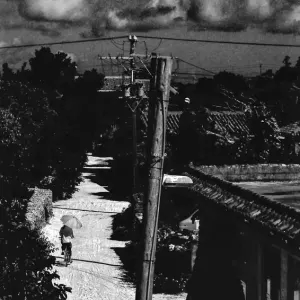
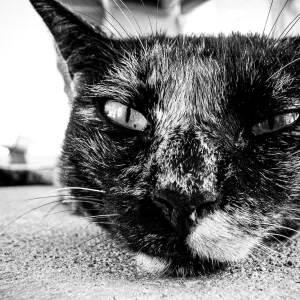
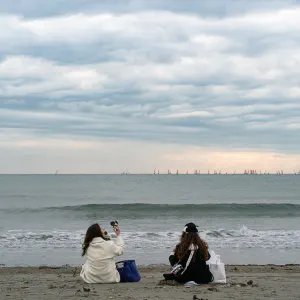
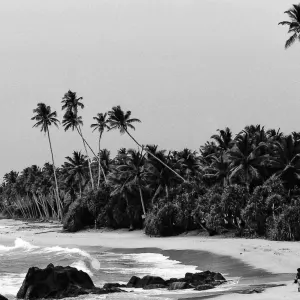
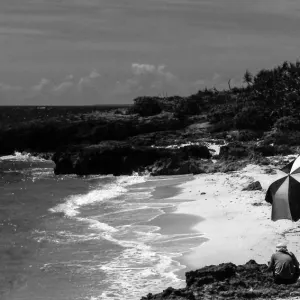
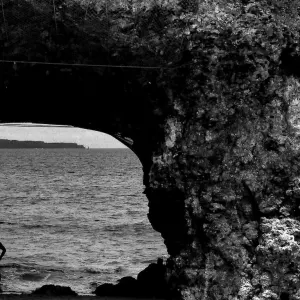
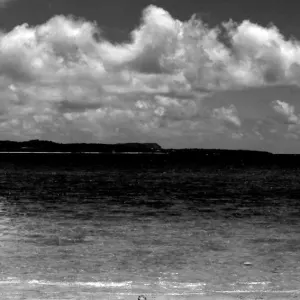
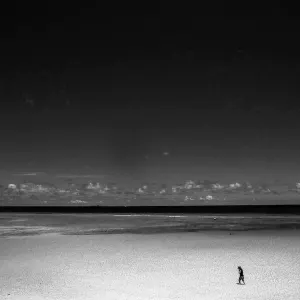
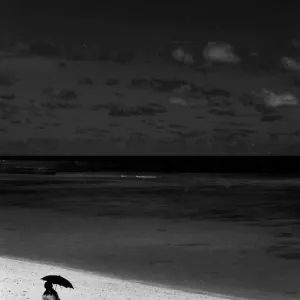
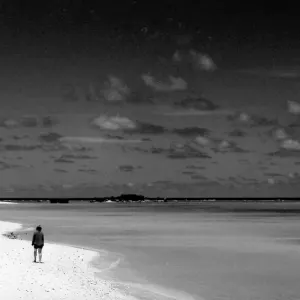
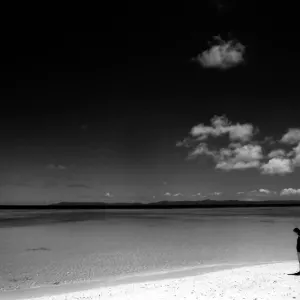
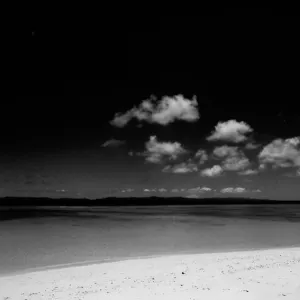
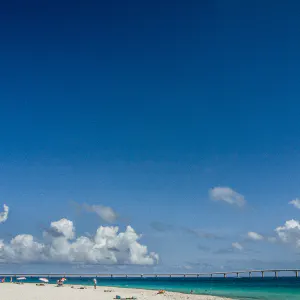
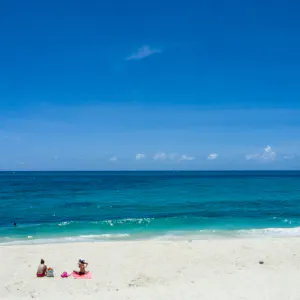
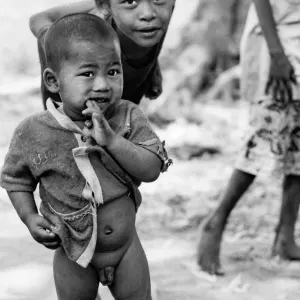
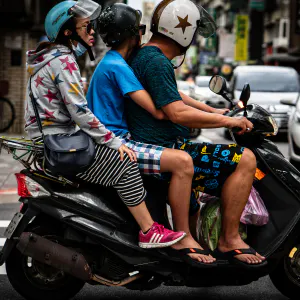
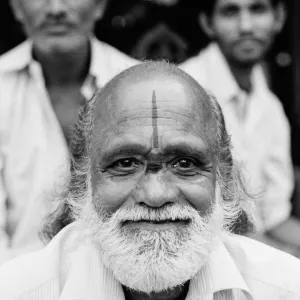
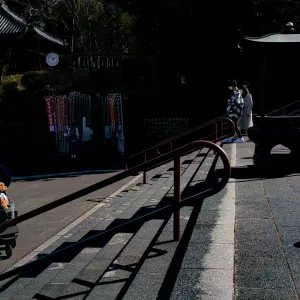
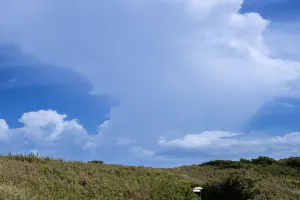
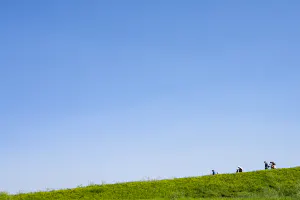
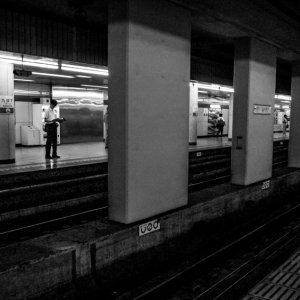
This photo of my photoalbum was taken in Okinawa.

The oldest evidence of the human existences in the Ryukyu islands are discovered in Naha City and Yaese Town[1]. Some human bones in the Paleolithic era were unearthed, but there is no clear Paleolith remains. Japanese Jōmon influences are dominant in the Okinawa Islands, although clay vessels in the Sakishima Islands have a commonality with those in Taiwan. The first mention of the word Ryukyu was written in the Book of Sui. This Ryukyu might refer to the Taiwan island, not Ryukyu islands. Okinawa was the Japanese word depicting the islands, first seen in the biography of Jianzhen, written in 779. Agricultural societies begun in the 8th century, have slowly developed to the 12th century. The islands locate in the center of the East China Sea and relatively close to Japan, China and South-East Asia. The Ryūkyū Kingdom became a prosperous trading nation, and many Gusukus, castle ruins constructed in this period. The Ryūkyū Kingdom had a tributary relationship with China in the 15th and 16th century. In 1609 the Satsuma clan, which controlled the region that is now Kagoshima Prefecture invaded the Ryūkyū Kingdom. Following the invasion the Ryūkyū Kingdom surrendered to the Satsuma and was forced to tie a tributary relationship with Satsuma and the Tokugawa shogunate, in addition to their previous relationship with China. Ryukyuan sovereignty was maintained since entire absorption would create a problem with China. The Satsuma clan earned considerable profits from trades with China during a period in which foreign trades was heavily restricted by the shogunate. Though Satsuma maintained strong influence over the islands, the Ryūkyū Kingdom maintained some degrees of domestic political freedom for two hundred years. Four years after the 1868 Meiji Restoration, the Japanese government officially annexed the kingdom and entitled it Okinawa han. The Qing Dynasty claimed that the islands had been subjected to China, but later withdrew the demand. The Okinawa han became a prefecture in 1879, while all other hans had became prefectures in 1872. Following the Battle of Okinawa and the end of World War II in 1945, Okinawa was under the United States administration for 27 years. During the trusteeship rule the USAF established numerous military bases on the Ryukyu islands. In 1972, the U.S. government returned the islands to Japanese administration. Under the Treaty of Mutual Cooperation and Security, the United States Forces Japan (USFJ) have maintained a large military presence there. 27000 personnel, including 15000 Marines, contingents from the Navy, Army and Air Force, and their 22,000 families are stationed in Okinawa.[2] 18% of the main island was occupied as the US military bases and 75% of all USFJ base are located in Okinawa prefecture. Most Okinawans oppose the large presence of the USFJ and demand the consolidation, reduction and removal of US military bases from Okinawa. Repeated accidents and crimes committed by the U.S. servicemen have deteriorated the local citizens' feeling about the military base. Japanese and the US government consider the mutual security treaty and the USFJ absolutely necessary and neglected the awkward situation in Okinawa for decades. The rape of a 12 year old girl by marines in 1995 triggered the large protest campaign in Okinawa and both of the governments agreed to the removal of the Marine Corps Air Station Futenma and minor bases, but the procedure is halted at the present time.

Yaeyama: Tēdun Okinawan: Dakidun) is a town located in Yaeyama district, Okinawa, Japan. The town includes all of the islands in the Yaeyama District excluding Ishigaki, Yonaguni, and the Senkaku Islands. This includes the islands of Iriomote, Taketomi, Kohama, Kuroshima, Hateruma, and Hatoma. Although Ishigaki is not part of the town of Taketomi, the town hall is located there. As of 2005, the town has an estimated population of 4,171 and the density of 12.5 persons per km². The total area is 334.01 km².


Bookmark and Share
random shots

painter

kazuko

ez bar

老婆


copyright © tetsu