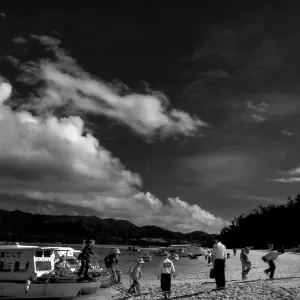
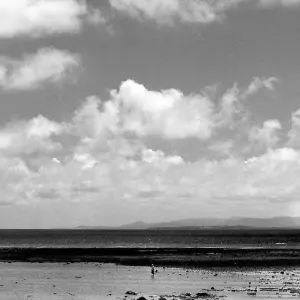
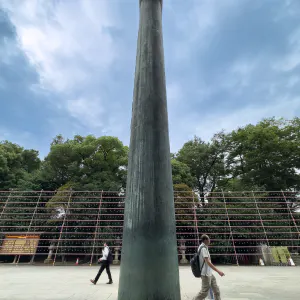
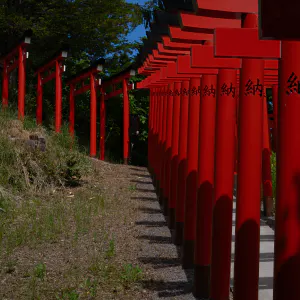
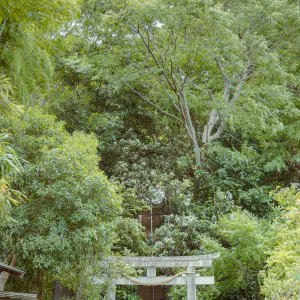
This photo of my photoalbum was taken in Okinawa.
Known in Thailand as นวดแผนโบราณ (Nuat phaen boran, IPA [nuɑt pʰɛn boraːn]), which correctly translates only as ancient massage or traditional massage, this form of massage is also known as Thai ancient massage, traditional Thai massage, Thai yoga massage, yoga massage, Thai classical massage, Thai bodywork, passive yoga or assisted yoga. It is usually soothing because of its emphasis on stretching and loosening the body. Its roots go back far into history, originating in India based on the Ayurveda, and then becoming popular in ancient Siam, now known as Thailand. Originating in India and drawing from Ayurveda, it has inevitably incorporated modalities like yoga. The receiver is put into many yoga like positions during the course of the massage. In the northeren style there are a lot of stretching movements unlike the southern style where pressure is emphasised. It was believed that the massage art was brought over to Thailand by Shivago Komarpaj (Jivaka Kumarabhacca), a contemporary of Lord Buddha over 2500 years ago. The massage recipient changes into loose, comfortable clothes and lies on a mat or firm mattress on the floor. (It can be done solo or in a group of a dozen or so patients in the same large room). The massage practitioner leans on the recipient's body using hands and forearms to apply firm rhythmic pressure to almost every part of the recipient's body. The massage generally follows the Sen lines on the body-somewhat analogous to Chinese Meridians and Indian nadis. In some gestures, legs and feet of the giver are used to fixate the body or limbs of the recipient. In other gestures, hands fixate the body, while the feet do the massaging action. Oil is not used in traditional Thai Massage. A full Thai massage session typically lasts two hours or more, and includes rhythmic pressing and stretching of the entire body; this may include pulling fingers, toes, ears etc., cracking the knuckles, walking on the recipient's back, arching the recipient's back in a rolling action etc. There is a standard procedure and rhythm to the massage. Note: The traditional therapeutic practice of Thai massage should not be confused with the sexual service of the same name that is available in some hotels and brothels. Sometimes the traditional therapeutic Thai Massage, or ancient massage, is referred to as "old lady massage," while the sexual practice, which has nothing to do with therapeutic traditional massage is called "young lady massage."
In professional settings, massage involves the client being treated while lying on a massage table, sitting upright in a massage chair, or lying on a pad on the floor. Except for modalities such as Acupressure, Shiatsu, Tui Na, Thai Massage, or Barefoot Deep Tissue, the massage subject is generally unclothed or partially unclothed, also referred to as disrobed, and their body would be "draped" with towels or sheets. The practice of covering the parts of the body that are not being massaged is referred to as draping and its practice varies from one part of the world to another. In addition to making a professional statement and providing a boundary, draping helps keep the client warm which aids in the relaxation response. In some countries it is required that certain areas such as the genitals on both genders and the breast/nipple area on women be draped at all times. In the United States draping is a standard of the profession, while in other parts of the world, such as some parts of Europe, it is not practiced at all. In most forms of massage, the session begins with the client face up, referred to as supine, or face down, referred to as prone, for the first part of the session and then the client rolls over for the second half. Relaxation is necessary for benefits to be achieved.