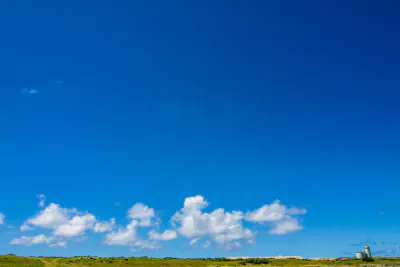
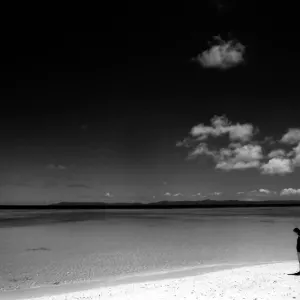
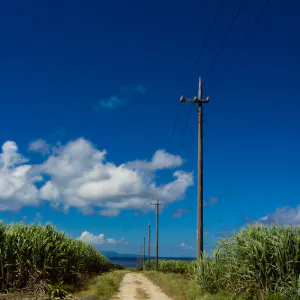
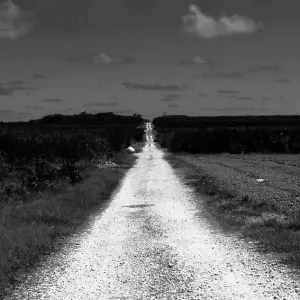
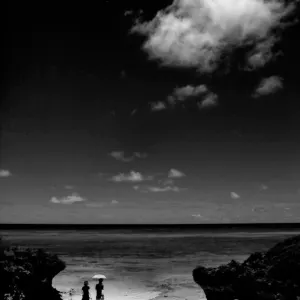
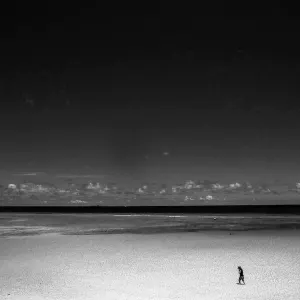
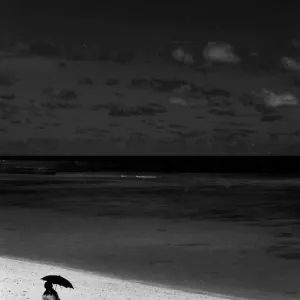
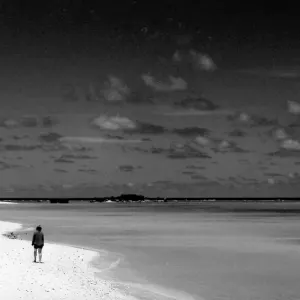
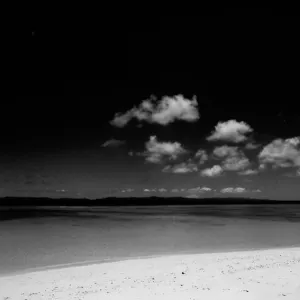
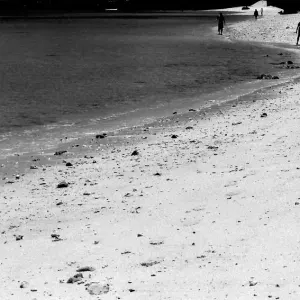
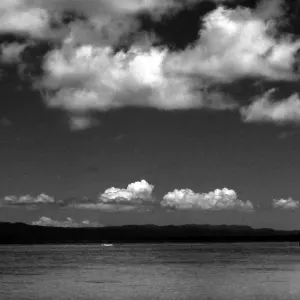
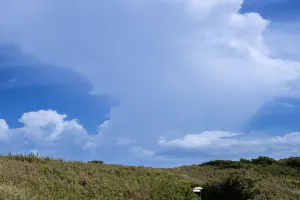
observatory and clouds

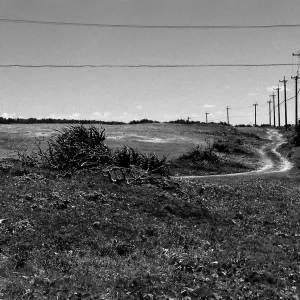
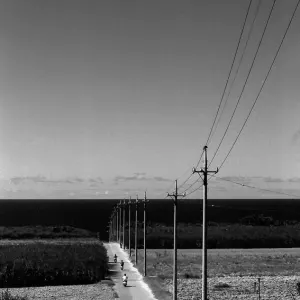
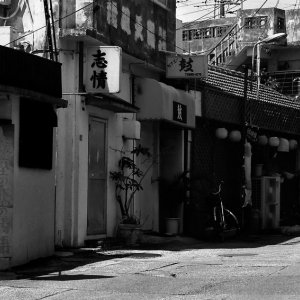
This photo of my photoalbum was taken in Okinawa.

Ko Phi Phi Don is now squarely on the tourist map, and tourists from all over the world (especially Europe, Japan, and the wealthier Southeast Asian countries) flock to the island. Accessible from Phuket and mainland Krabi province, all tourists must arrive by boat. (The trip from Phuket takes around 90 minutes.) This has essentially turned the island into a rush of day trippers who overpopulate the island from 11AM-3PM. The island still holds much charm that can be enjoyed in the hours that the flocks from Phuket are not there. While in former times, Ko Phi Phi Don was a serene paradise, parts of it (especially the Ton Sai Bay area) have been exploited for tourism. Restaurants, shops, internet cafes, and shanty towns abound.

Coral reefs are aragonite structures produced by living organisms, found in shallow, tropical marine waters with little to no nutrients in the water. High nutrient levels such as that found in runoff from agricultural areas can harm the reef by encouraging the growth of algae.[1] In most reefs, the predominant organisms are stony corals, colonial cnidarians that secrete an exoskeleton of calcium carbonate (limestone). The accumulation of skeletal material, broken and piled up by wave action and bioeroders, produces a massive calcareous formation that supports the living corals and a great variety of other animal and plant life. Although corals are found both in temperate and tropical waters, reefs are formed only in a zone extending at most from 30°N to 30°S of the equator; the reef-forming corals do not grow at depths of over 30 m (100 ft) or where the water temperature falls below 16 °C (72 °F).

Saipan is the largest island and capital of the United States Commonwealth of the Northern Mariana Islands (CNMI), a chain of 15 tropical islands belonging to the Marianas archipelago in the western Pacific Ocean (15°10’51”N, 145°45’21”E) with a total area of 115.39 km² (44.55 sq mi). The 2000 census population was 62,392. Located at latitude of 15.25° north and longitude of 145.75° east, about 200 km (120 mi) north of Guam, Saipan is about 20 km (12.5 mi) long and 9 km (5.5 mi) wide. It is a popular tourist destination in the Pacific. The western side of the island is lined with sandy beaches and an offshore coral reef which creates a large lagoon. The eastern shore is composed primarily of rugged rocky cliffs and a reef. Its highest point is a limestone covered mountain called Mount Tapochau at 474 m (1,554 ft). Many people consider Mount Tapochau to be an extinct volcano, but is in fact a limestone formation. To the north of Mount Tapochau towards Banzai Cliff is a ridge of hills. Mount Achugao, situated about 2 miles North, has been interpreted to be a remnant of a stratified composite volcanic cone whose Eocene center was not far north of the present peak. Besides English, the indigenous Chamorro language is spoken by approximately 19 percent of the inhabitants.[citation needed] The current governor of the CNMI is Benigno Fitial, who is the successor of Juan Babauta.

ブックマークに追加する
Bookmark and Share

copyright © tetsu