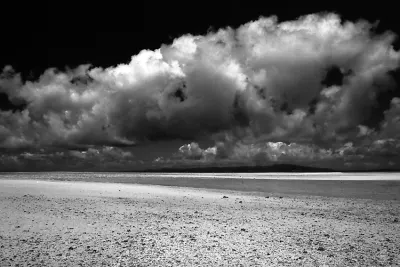
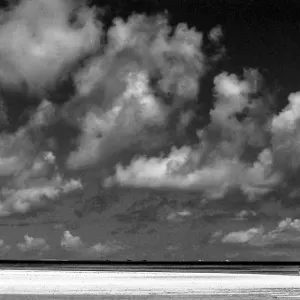
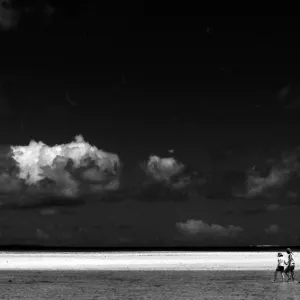
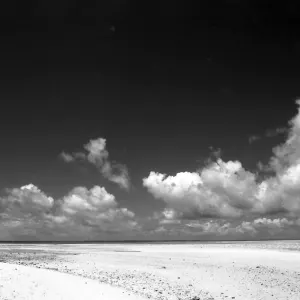
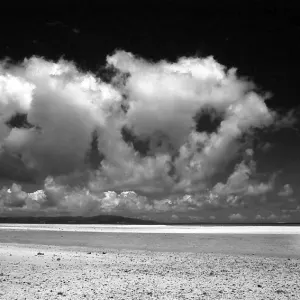
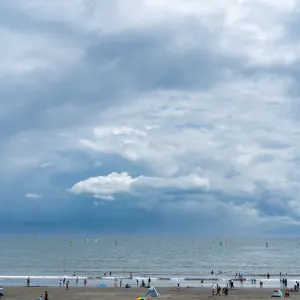
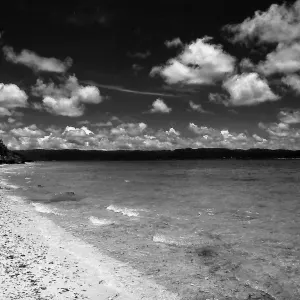
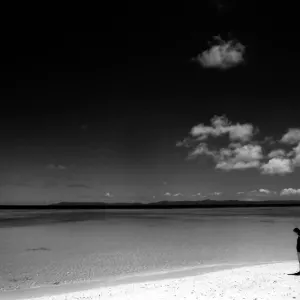
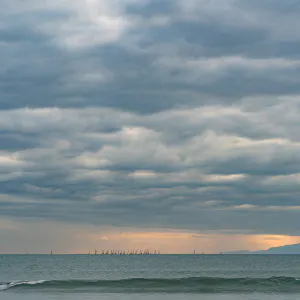
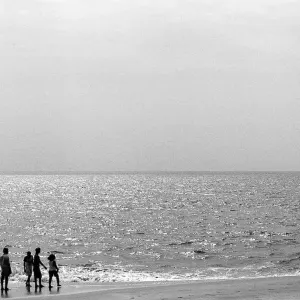
clouds on the beach

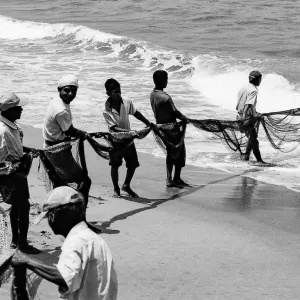
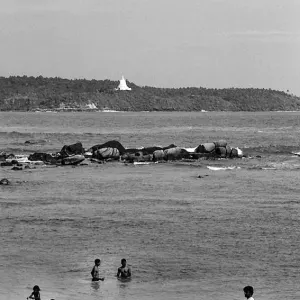
This photo of my photoalbum was taken in Okinawa.

In nautical terminology, a reef is a rock, sandbar, or other feature lying beneath the surface of the water yet shallow enough to be a hazard to ships. Many reefs result from abiotic processes—deposition of sand, wave erosion planning down rock outcrops, and other natural processes—but the best-known reefs are the coral reefs of tropical waters developed through biotic processes dominated by corals and calcareous algae. Reefs can be created artificially either by special construction or through deliberately sinking ships, but one can argue that these "reefs" are not real ones, as it is seldom the case that an artificial obstruction would be created that is a hazard to shipping. These structures are usually created to enhance physical complexity on generally featureless sand bottoms in order to attract a diverse assemblage of organisms, especially fish. Thus, "artificial reef" is a misnomer, though firmly established as the term used for man-made underwater habitat structures.

Stretching as theorized in literature is deliberate lengthening of muscles, in order to increase muscle flexibility and/or joint range of motion (Weerapong et al 189-206). Stretching is a natural activity often performed without thinking by most people and many animals, and can simply be pleasurable. It can be accompanied by yawning. Stretching often occurs right after waking from sleep, after long periods of inactivity, or after exiting confined spaces. Many athletes stretch deliberately before or after exercise in order to increase performance and reduce injury. Whether this is helpful, has no effect, or even has detrimental effects is in dispute. While common, it may not be beneficial for all athletic activities.

ブックマークに追加する
Bookmark and Share

copyright © tetsu