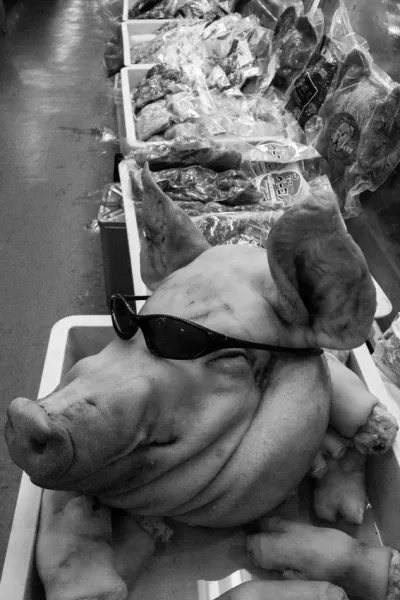
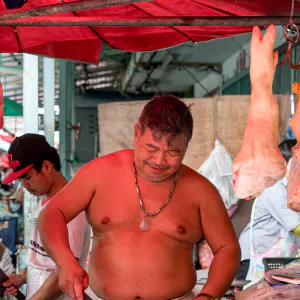
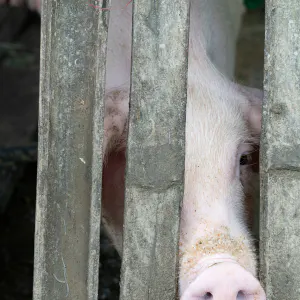
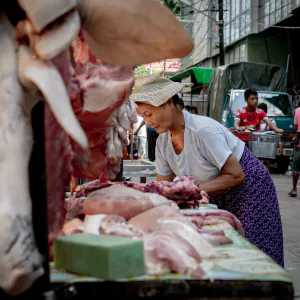
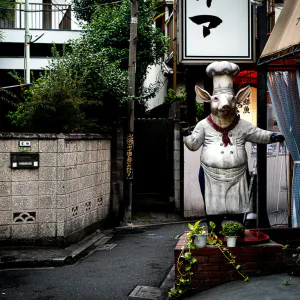
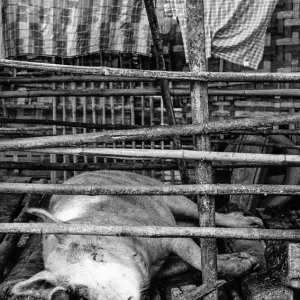
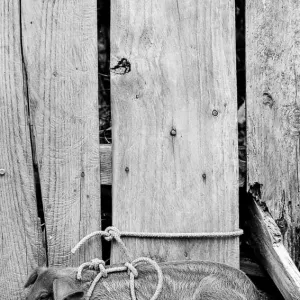
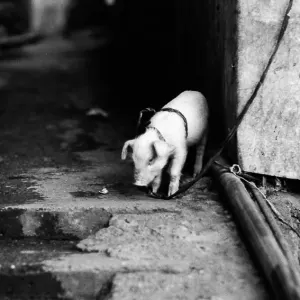
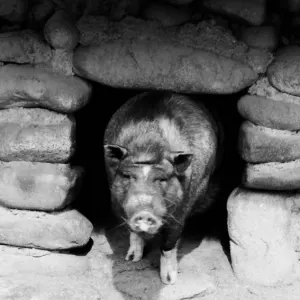
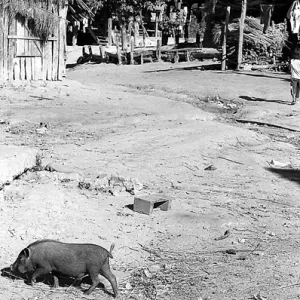
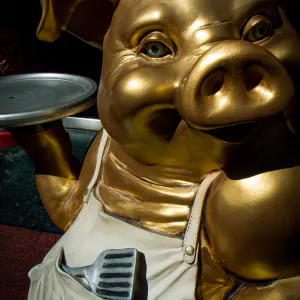
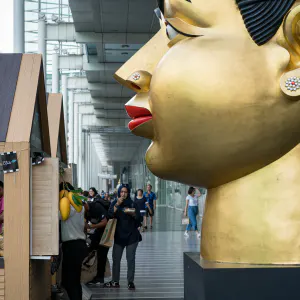
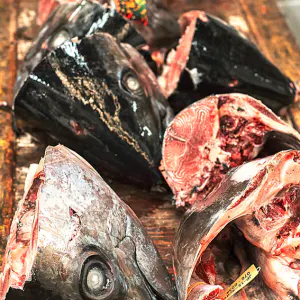
pig with sunglasses

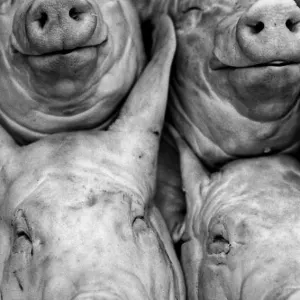
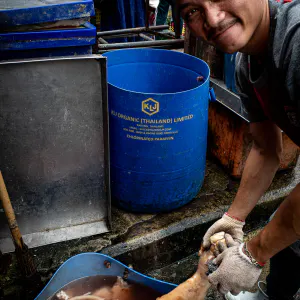
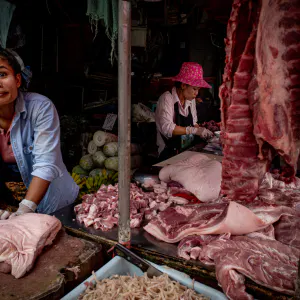
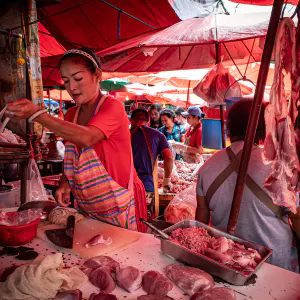
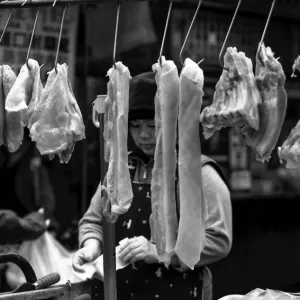
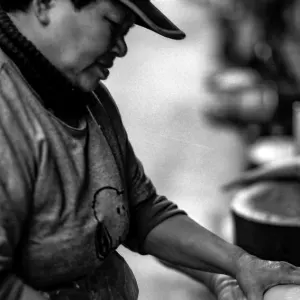
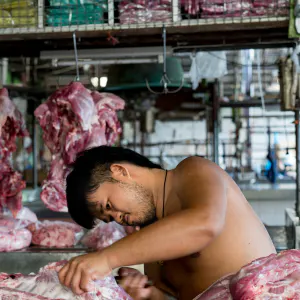
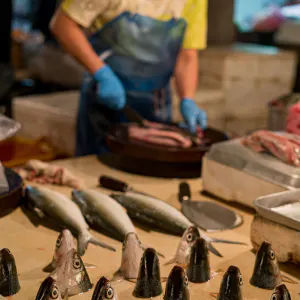
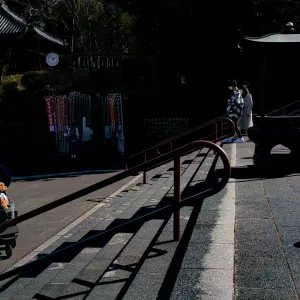
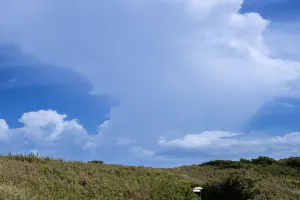
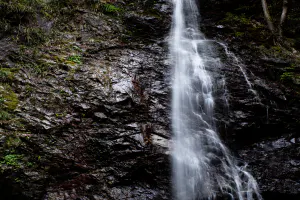
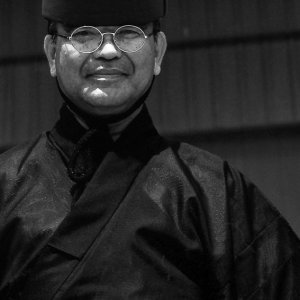
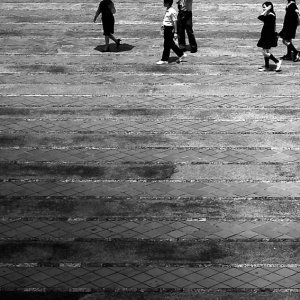
This photo of my photoalbum was taken in Okinawa.

The Caribbean Sea is a tropical sea in the Western Hemisphere, part of the Atlantic Ocean, southeast of the Gulf of Mexico. A mediterranean sea, it covers most of the Caribbean Plate and is bounded on the south by South America, on the west and south by Mexico and Central America, and on the north and east by the Antilles: the Greater Antilles islands of Cuba, Hispaniola, Jamaica, and Puerto Rico lie to the north, and a plethora of Lesser Antilles bound the sea on the east. The entire area of the Caribbean Sea, the numerous islands of the West Indies, and adjacent coasts, are collectively known as the Caribbean. The Caribbean Sea is one of the largest salt water seas and has an area of about 2,754,000 km² (1,063,000 square miles)[1]. The sea's deepest point is the Cayman Trough, between Cuba and Jamaica, at 7,686 m (25,220 feet) below sea level. The Caribbean coastline has many gulfs and bays: the Gulf of Venezuela, Gulf of Darien, Golfo de los Mosquitos and Gulf of Honduras.

Although the area may have been populated previously, the seafaring Taino people moved into the Southern Bahamas around the seventh century from Hispaniola and Cuba. These people came to be known as the Lucayans. There were an estimated forty thousand Lucayans at the time of Columbus' arrival. Christopher Columbus's first landfall in the New World was on San Salvador Island, also known as Watling's Island, in the southern part of Bahamas. Here, Columbus made contact with the Lucayans and exchanged goods with them. Bahamian Lucayans were later taken to Hispaniola as slaves; in two decades, many Lucayan societies ceased to exist, as the population endured considerable forced labour, warfare, disease, emigration and outmarriage. After the Lucayan population was eliminated, the Bahamian islands were virtually unoccupied until the English settlers came from Bermuda in 1647. The Eleutherian Adventurers established settlements on the island of Eleuthera. The Bahamas became a British crown colony in 1718. Some 8,000 American Loyalists and their slaves moved to the Bahamas after 1783 from New York, Florida and the Carolinas. The Emancipation of the British West Indies United Kingdom Emancipation Act took force on August 1, 1834, thereby ending slavery in the Bahamas. This led to many fugitive slaves from the US braving the perils of the Atlantic for the promise of a free life in the Bahamas. The British made the islands internally self-governing in 1964. In 1973, the Bahamas became fully independent, but retained membership in the Commonwealth of Nations. In 1967, Sir Lynden Pindling became the first black Premier of the colony, and in 1973 became Prime Minister. He 'recommended' the appointment of Sir. Milo Butler as Govenor General. Based on the pillars of tourism and financial services, the Bahamas' economy has prospered since the 1950s. Today, the country enjoys the third highest per capita income in the western hemisphere, and the highest in the Caribbean excluding the dependent territories of Bermuda and the Cayman Islands. Despite this, the country still faces significant challenges in areas such as education, health care, international narcotics trafficking, correctional facilities and illegal immigration. The urban renewal project has been launched in recent years to help build up dilapidated urban areas and arrest social decline in the main islands. The origin of the name "Bahamas" is ambiguous. It is thought to derive from the Spanish baja mar, meaning "shallow seas"; others trace the name to the Lucayan word for Grand Bahama Island, ba-ha-ma "large upper middle land".

Cuba, officially the Republic of Cuba or República de Cuba (help·info) /re'puβlika ðe ˈkuβa/), consists of the island of Cuba (the largest of the Greater Antilles), the Isle of Youth and several adjacent small islands. Cuba is located in the northern Caribbean at the confluence of the Caribbean Sea, the Gulf of Mexico and the Atlantic Ocean. Cuba is south of the eastern United States and the Bahamas, west of the Turks and Caicos Islands and Haiti and east of Mexico. The Cayman Islands and Jamaica are to the south. Cuba is the most populous country in the Caribbean. Its people, culture and customs draw from several sources including the aboriginal Taíno and Ciboney peoples, the period of Spanish colonialism, the introduction of African slaves, and its proximity to the United States. The island has a tropical climate that is moderated by the surrounding waters; however, the warm temperatures of the Caribbean Sea and the fact that Cuba itself almost completely blocks access to the Gulf of Mexico, make Cuba prone to frequent hurricanes.

ブックマークに追加する
Bookmark and Share

copyright © tetsu